
ABF CON 2026: the strength of brazilian franchising lies in the unity of its entrepreneurs
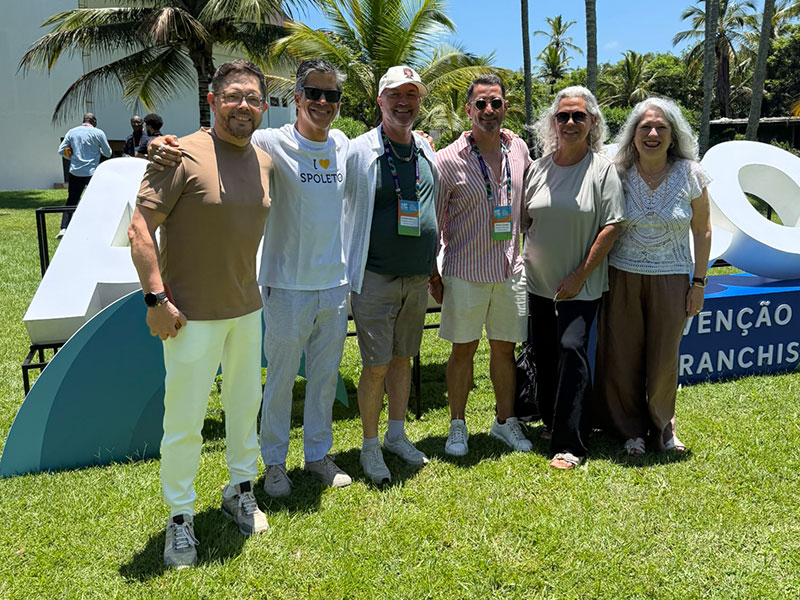
It was an honor and a privilege to be invited by the Brazilian Franchising Association (ABF), alongside Dr. Ernesto Carvalho and the CEO of the Portuguese Franchising Association (APF), Dr. Cristina Matos, to attend ABF CON 2026, held from October 28 to November 1 on the magnificent Comandatuba Island in Bahia.
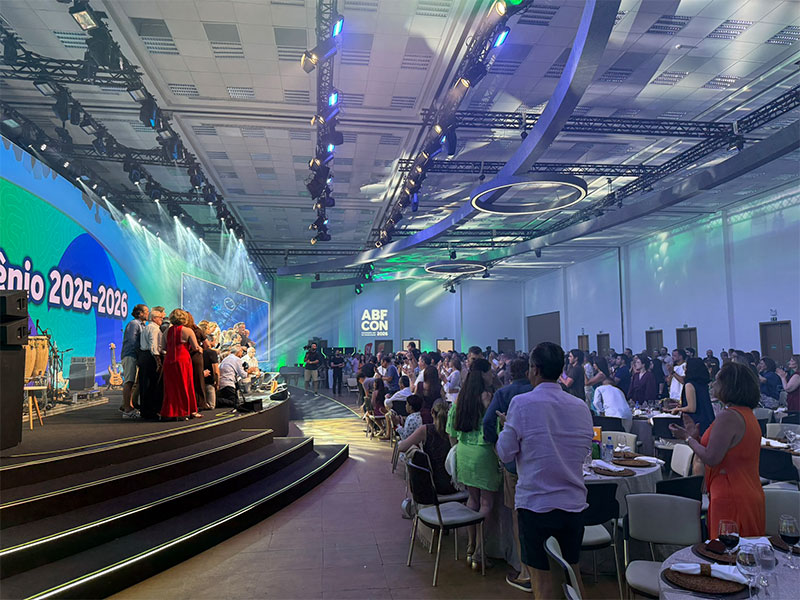
The 24th Brazilian Franchising Convention brought together over 700 delegates, including franchisors, franchisees, entrepreneurs, and experts, to discuss the sector’s major challenges and opportunities.
These were intense days filled with conferences, debates, economic study presentations, experience sharing, and, above all, camaraderie among business leaders.
Brazilian franchising is a true economic powerhouse. According to ABF data, sector revenue surpassed 300 billion BRL in 2025, growing 10.5% compared to the previous year. It accounts for around 202,000 establishments and 1.76 million direct jobs.
During the Convention, the new Brazilian Franchising Study was presented, developed by ABF and Sebrae, which identified a base of 3,930 franchisor companies and revealed a sector that continues to grow despite economic difficulties.
But what impressed me most was not the numbers.
It was seeing around 750 entrepreneurs, many of them direct competitors, gathered in an atmosphere of extraordinary friendship, sharing, and cooperation, united in defending the franchising system.
It is a remarkable demonstration of business association spirit and the ability to understand that, above individual brand interests, there are common goals worth advocating for.
And the challenges these entrepreneurs face are enormous.
First, the tax reform, creating a new consumption tax system similar to the European VAT, whose combined rate could exceed 30%, placing Brazil among the countries with the highest consumption tax burdens.
Second, the labor reform, gradually reducing the workweek from 44 to 40 hours without salary reduction, alongside two weekly rest days.
Discussions on Sunday work particularly concern retail, food service, and service sectors.
Finally, a persistent long-standing issue: high interest rates, which complicate financing, discourage investment, and constrain network expansion.
The ABF study confirms these concerns: 55% of franchisors point to tax burden as a main challenge, 50% mention labor, and 34% cite high interest rates and credit access difficulty.
Despite all this, the atmosphere at the Convention was extraordinarily optimistic.
The joy, energy, and resilience of Brazilian entrepreneurs are truly contagious.
They do not ignore difficulties. They discuss them openly, seek solutions, and continue to believe in the future.
I leave this Convention with reinforced conviction: franchising is not just a model for business growth. It is also a system of cooperation among independent entrepreneurs, which grows much stronger when they realize the importance of defending common interests.
ABF is an extraordinary example of unity and institutional representation.
Congratulations to ABF for organizing the event and, above all, for building such an extraordinary business community. It was a privilege to be part of this gathering!